
Upper Gastro-Intestinal Surgery
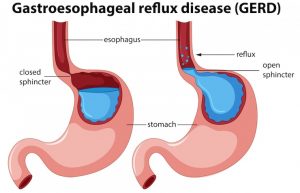
Fundoplication for GERD – Gastroesophageal reflux disease or GERD is the regurgitation of acid from the stomach that creates a burning sensation in the food pipe. This sensation is more prominent right after having food. Symptoms like the regurgitation of acid along with nausea and belching aggravate after lying down. When lifestyle changes and medications fail, then fundoplication surgery is the main treatment. In fundoplication surgery, the sphincter of the esophagus is repaired. This sphincter prevents the backflow of acid in the food pipe. Patients find relief from acid reflux after fundoplication surgery and this surgery is important to protect the patient from the long-term complications of GERD like ulcers, bleeding, and even cancer.
Cardiomyotomy for Achalasia Cardia – Achalasia Cardia is a condition where the patient faces difficulty in swallowing because of a lack of function of muscles at the lower end of the food pipe. It starts with difficulty in swallowing solid food and in the advanced stage patient has difficulty in swallowing liquids also. This causes ballooning of the food pipe, chest infections, and malnutrition. It can be treated by laparoscopic surgery. The tight muscles at the lower end of the food pipe and the upper part of the stomach are split to ease the passage of food. A fundoplication procedure is also done to prevent reflux of acid into the food pipe after surgery.
Cholecystectomy or Gallbladder Removal Surgery – The minimal invasive laparoscopy surgery known as cholecystectomy is the best and only treatment option for gallbladder ailments for the last 30 yrs. General anesthesia is given to the patient. Two to three small incisions are made on the abdomen area. Carbon dioxide gas is introduced inside the abdomen to get a clear view and to prevent damage to nearby organs. The laparoscope is then inserted inside the stomach. A laparoscope is a telescope-like instrument with a camera attached to it. This camera helps in providing the inside organ view on the screen in the operation theatre. The other two incisions are made to help the surgeon in cutting and taking out the gallbladder. The gallbladder is taken out from these incisions. After that, all incisions are closed and the patient is sent to the recovery room.
Small & Large Bowel Surgeries
These surgeries are performed in case of ulcerative colitis, colon cancer, and other colorectal diseases.
Laparoscopic Adhesiolysis, Strictureplasty, and Resection Anastomosis – Patients may suffer from small bowel obstruction due to intestines forming a knot with one another all with the abdominal wall because of previous surgery. Narrowing or kinking can occur in the part of the small intestine causing obstruction to the passage of gas and stool. The patient feels bloated, has a loss of appetite along with non-passage of flatus/ stool and vomiting. This problem may present as an acute emergency and have to be tackled with open surgery called “Laparotomy” (opening up of the abdomen). Previous open abdomen surgery and tuberculosis are common causes of intestinal obstruction in India.
Laparotomy/ Laparoscopic Surgery for Peritonitis – Peritonitis is a serious condition and it means a generalized infection inside the abdomen. This could be because of leakage of intestinal contents outside the small or large intestine through a perforation (hole). This happens in diseases like stomach & duodenal ulcers, typhoid infection, tuberculosis, trauma, etc. This condition has to be tackled immediately with open/ laparoscopic surgery to correct the cause which could mean closing the hole in the intestine or removing a part of the damaged intestine. Any delay in peritonitis can be life-threatening for the patient.
Laparoscopic Right/Left/Total Colectomy – Colectomy is the removal of the colon or a part of the bowel by minimally invasive surgery known as laparoscopy. Colectomy is the surgery of choice in the case of colon cancer, colon inflammatory disease such as ulcerative colitis and Crohn’s disease, etc. In total colectomy surgery, the whole colon or large intestine is removed. In left colectomy, the left side of the colon is removed and the same procedure is performed in the left side of colectomy. Often a Colostomy procedure is also done to divert the fecal matter into a pouch/ bag applied on the skin. This could be a temporary stool diversion mechanism or a permanent one.
Total Colectomy with IPAA – IPPA is the Ileal pouch-anal anastomosis that means the formation of a J-pouch that allows the patient to pass stools normally even after the removal of colon and rectum. Subtotal or total colectomy means that the whole colon and rectum are removed. This surgery provides a normal life to the patient even after the large intestine removal surgery called colectomy. Colectomy is the surgery of choice in severe colon infections, colon cancer, and Crohn’s disease, etc.
Rectal Surgery
Rectopexy – When the rectum falls out of the anal area, this is known as rectal prolapse. Rectal Prolapse is common in children and elderly people due to birth defects and muscle weakness respectively. To treat the rectal prolapse, a laparoscopic surgery named Rectopexy is performed. In this surgery, a very small incision is made in the abdomen and the laparoscope is inserted. The rectum is then pulled back and is reattached to where it should be. This rectopexy surgery treats the rectal prolapse. Sometimes rectopexy is accompanied by the resection of a part of the intestine to cure constipation as well. It is not performed in every patient and it depends upon the other comorbidities a patient may have.
Rectal & Anal Cancer – Anterior Resection and Abdominoperineal Resection (APR) – Surgery remains the mainstay of treatment for rectal and anal cancer. They are often associated with chemotherapy and radiotherapy, which are given as per the stage of cancer. Advances in surgery and laparoscopy have ensured that the anal sphincter can be saved in the majority of cases and patients can continue to pass stool in the normal way.