
Mon to  Sat 11:00 am to 8:00 pm

Suffering with Gall Bladder Stones? And What is Cholecystectomy Surgery?

Removal of gall bladder via laparoscopy is known as laparoscopic cholecystectomy surgery. It is the safest and permanent way to treat gall stones and gall bladder cancer etc. It is a minimal invasive simple procedure in which the whole gallbladder is removed by making small incisions on the stomach area. The patient is discharged the next day and walking is advised to ensure a faster recovery. 

If you are looking for the best Gallbladder surgeon in Delhi who is experienced in Gallbladder surgeries, then Visit Spandan Multispecialty Clinic today. Affordable Gallstone removal treatment and gallbldder cancer treatment from one of the best general Surgeon in Delhi, NCR. If you live near GK in Delhi and looking for the best general surgeon in GK2.

Laparoscopy Surgeries may seem simple, but need a lot of Experience and Dexterity

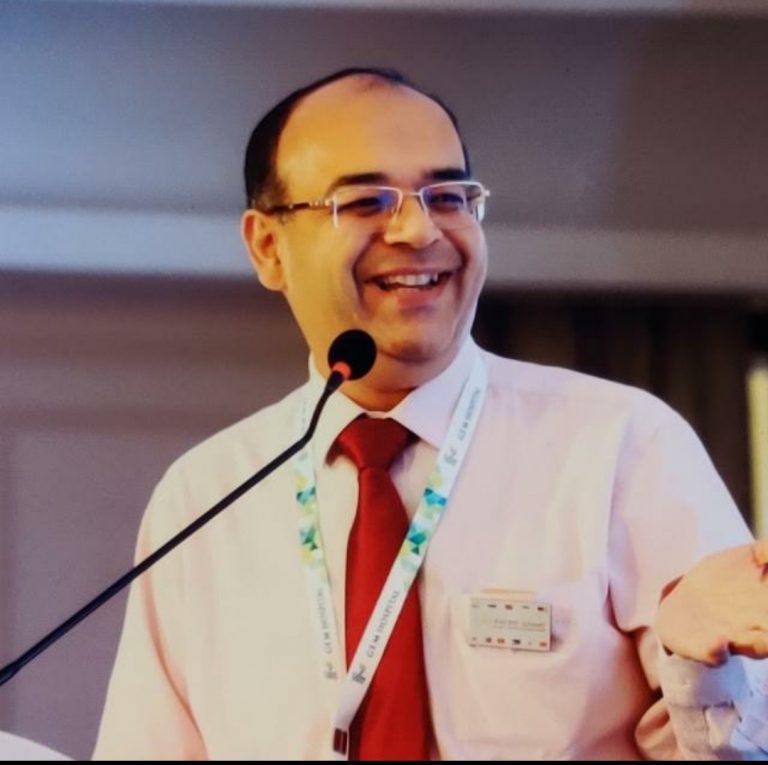
Dr Sumeet Shah has extensively trained and accomplished Laparoscopic & Bariatric Surgeon, he has been attached to some of the leading hospitals of Delhi. Dr Shah has been practicing Surgery for more than 20 years and has several thousand successful operations and satisfied patients to his credit.

Dr Shah has several presentations to his credit and has been invited as Faculty/ Expert at more than 100 National/ International meetings of Laparoscopic and Bariatric Surgeons.He has presented more than 50 invited papers at various specialist meetings. 

He is passionate to build trust and to provide highest standards of medical excellence, scientific knowledge and patient care.

Graduation (M.B.B.S) – Maulana Azad Medical College, New Delhi – 1993
Post graduate (M.S) in General Surgery – 1997
Diplomat of National Board (DNB) in General Surgery – National Board of Examination, Delhi.
Advanced training in Gastro-Intestinal Surgery – AIIMS, New Delhi
Post Doctoral Fellowship in Minimal Access Surgery and has received special training in Metabolic & Bariatric Surgery.
Fellowship – Indian Association of Gastro Intestinal Endosurgeons (FIAGES)
Advanced Laparoscopy Fellowship (FALS) in Metabolic / Bariatric and Hernia Surgery

0
Gallstones Surgeries Done
0
Gastric Bypass Performed
0
Gall Cancer Surgeries Done
0
Sleeve Gastrectomy Done

About GallBladder Surgery

Removal of gall bladder via laparoscopy is known as laparoscopic cholecystectomy surgery. It is the safest and permanent way to treat gall stones and gall bladder cancer etc. It is a minimal invasive simple procedure in which the whole gallbladder is removed by making small incisions on the stomach area. The patient is discharged the next day and walking is advised to ensure a faster recovery. The patients will have no lifestyle or dietary limitations of any kind once the gall bladder is removed.

How the Gallbladder Removal Surgery is performed?

The minimal invasive laparoscopy surgery known as cholecystectomy is the best treatment option for gallbladder ailments. General anesthesia is given to the patient. Two to three small incisions are made on the abdomen. Carbon dioxide gas is introduced in the abdomen to get a clear view and to prevent damage to nearby organs. The laparoscope is then inserted inside the stomach. A laparoscope is a probe-like instrument with a mini-camera attached to it, this camera helps in providing the inside organ view on the screen in the operation theatre. 

The other two incisions are made to help the surgeon in cutting and taking out the gallbladder. The gallbladder is taken out from these incisions. After that, all incisions are closed and the patient is sent to the recovery room. 
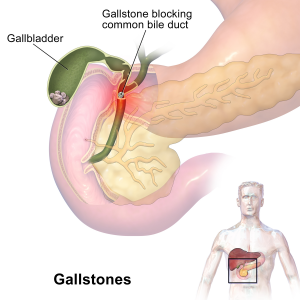
Gall Bladder Surgery for Stones

FAQs about Cholecystectomy - Gallbladder Removal Surgery

  • Gall bladder stones or Gall Stones – Gall Stones are hard stones-like formations made up of cholesterol, pigment, and calcium. They are mostly made of cholesterol and can occur as a result of rapid weight-loss diets, cholesterol levels, and heredity. Gallstones can cause infection inside the gallbladder leading to it getting swollen up and painful. Removal of gall bladder via laparoscopy cholecystectomy is the best way to treat gall stones. 
  • Gall Bladder Cancer – Gall bladder cancer does not produce any severe symptoms in most cases. Common symptoms are abdominal pain, weight loss, and excessive gas, etc. The gall bladder is removed and is sent to the lab to check for the extent of cancer in it. Radio and chemotherapy may also be required after surgery.
  • One of the most experienced general surgeons in Delhi
  • You will have no to minimal scar as the incisions are closed by surgical glue and not the stitches in most cases.
  • You will be able to take bath the next day. 
  • You will be up and about within a week after surgery.

The gallbladder is situated near the liver and stores bile. Bile is a digestive juice created by the liver that helps in the digestion of food. This bile is then released into the small intestine when food has been eaten. Sometimes these bile pigments and fat create small stone-like formations known as gall stones.


  • You will stay in the hospital for one night or at least a few hours post-surgery.
  • You may feel some pain near your right shoulder blade after surgery; this will ease after some time. 
  • You will be able to go to the washroom by yourself.
  • No pipes or drains are attached in the gall stone surgery. 
  • You will be given a liquid diet then solid food within a gap of few hours.
  • You will be able to walk around after few hours of surgery. 
  • You can resume your work within a few days post-surgery.
  • Deep pain in the middle or right side of the stomach
  • Gastric issues such as nausea, bloating after meals, vomiting, belching, etc
  • Disturbed Bowel movements 
  • Jaundice may or may not occur. 
  • Sometimes patients only feel excessive gas or acidity after consumption of heavy or fatty food items
  • Less time in Operation theatre
  • Faster Recovery
  • Cosmetically better Scars
  • Early discharge and Return to Work
  • No Dietary restrictions
  • A low-fat diet should be maintained for about a week
  • After the recovery period, no dietary restrictions are there
  • You should not lift heavy weights for the first few weeks post-surgery
  • Don’t skip your Follow up visit to ensure the proper healing of your incisions
Call Now Button